Handleiding7 april 2026
Warehouse Automation with AI: A Practical Guide for 2026
Practical guide for warehouse automation with AI: from slotting optimization to autonomous robots. Includes ROI calculation and implementation tips.
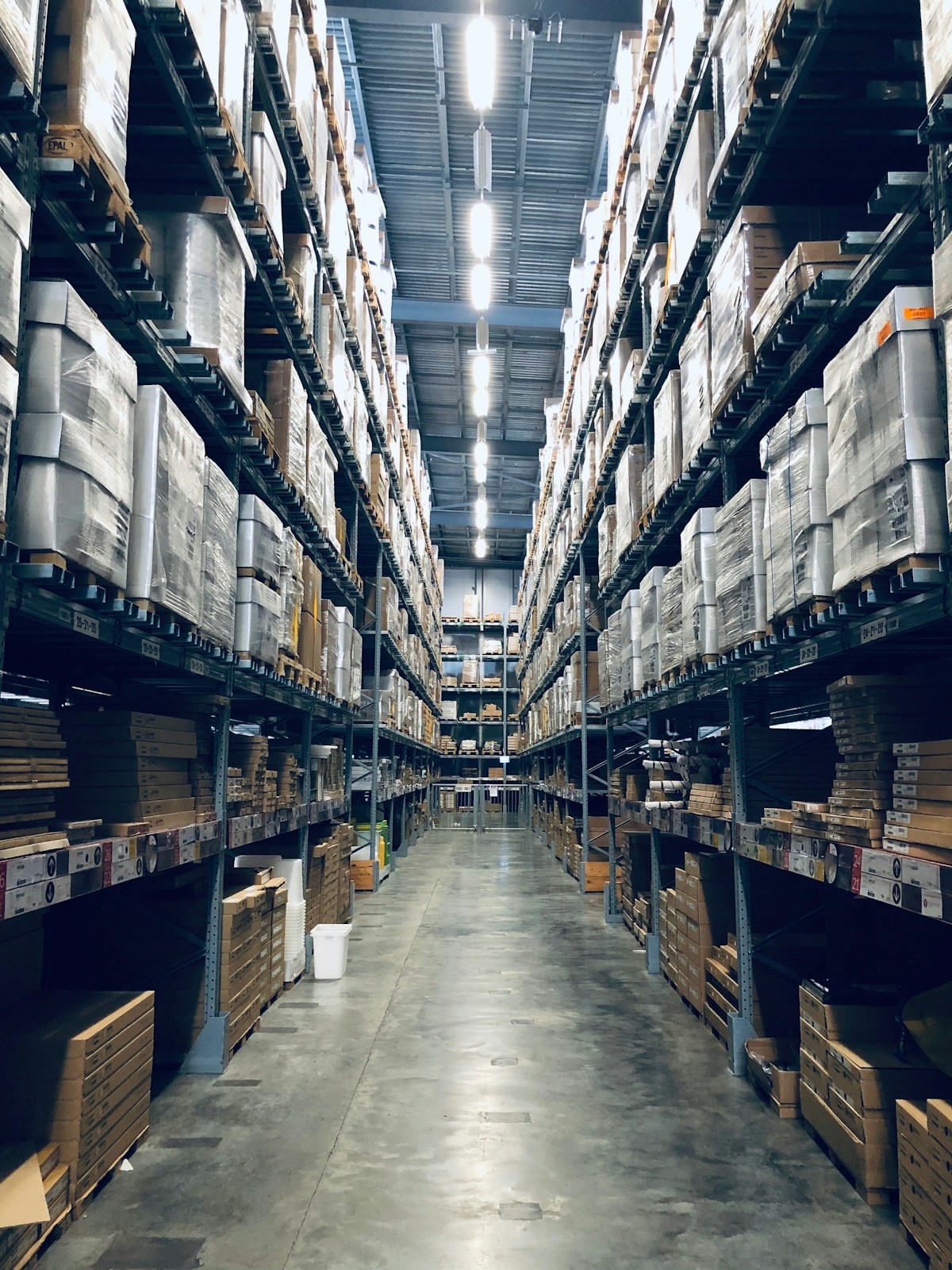
## The Warehouse of the Future Runs on AI
Warehouses are under increasing pressure: more orders, faster delivery times, and a tight labor market. Warehouse automation with AI offers an answer to all these challenges. In this practical guide, you will learn how to successfully implement AI in your warehouse.
### What is AI Warehouse Automation?
AI warehouse automation goes beyond traditional automation with conveyor belts and sorting systems. AI adds an intelligent layer that independently makes decisions about:
- Optimal storage locations for products
- Pick routes for warehouse employees
- Inventory replenishment and distribution
- Quality control with computer vision
- Deployment of autonomous mobile robots (AMRs)
### Five AI Applications in the Warehouse
**1. Slotting Optimization.** AI analyzes order patterns and places high-demand products in the most accessible locations. This reduces the walking distance for pickers by an average of 35%.
**2. Pick-path Optimization.** Instead of a fixed route, AI calculates the fastest pick route for each order. In large warehouses, this can save up to 40% time per order.
**3. Computer Vision for Quality Control.** AI-enabled cameras recognize damaged products, incorrect labels, or missing items. The error margin drops to less than 0.1%.
**4. Demand-driven Staff Planning.** AI predicts the expected order volume per hour and automatically suggests the optimal staffing levels. No more overstaffing during quiet hours.
**5. Autonomous Mobile Robots (AMR).** AMRs navigate independently through the warehouse, transport products, and collaborate with human pickers. They continuously learn and become increasingly efficient.
### ROI of AI in the Warehouse
The investment in AI warehouse automation varies widely, but the payback period is generally attractive:
- Software-only solutions: ROI within 6-12 months
- Software + AMRs: ROI within 18-24 months
- Full automation: ROI within 3-5 years
## Getting Started with Warehouse AI
Start with an analysis of your current warehouse processes. Identify the biggest bottlenecks — that's where AI delivers the most value. Choose a scalable solution that grows with your business and begin with a pilot in one warehouse section.
Veelgestelde Vragen
What is the cost of warehouse automation with AI?
Software-only solutions start at €500/month for small warehouses. AMRs cost €25,000-€75,000 each. Full automation can cost millions but also yields the largest savings.
Can AI replace human warehouse employees?
AI does not replace all employees but changes their roles. Routine tasks are automated, allowing employees to focus on more complex tasks, quality control, and problem-solving.
What data do I need for AI in my warehouse?
You need at least order history, product information, storage locations, and pick data. The more historical data available, the better the AI models perform.
Is AI warehouse automation suitable for small warehouses?
Yes, there are scalable SaaS solutions that are already profitable for warehouses starting from 500m². Start with software-only applications like slotting and pick-path optimization.