Handleiding7 april 2026
Automating Return Logistics: How AI Processes Returns Faster and Smarter
Learn how AI automates return logistics with predictive models, computer vision for product inspection, and sustainable return solutions.
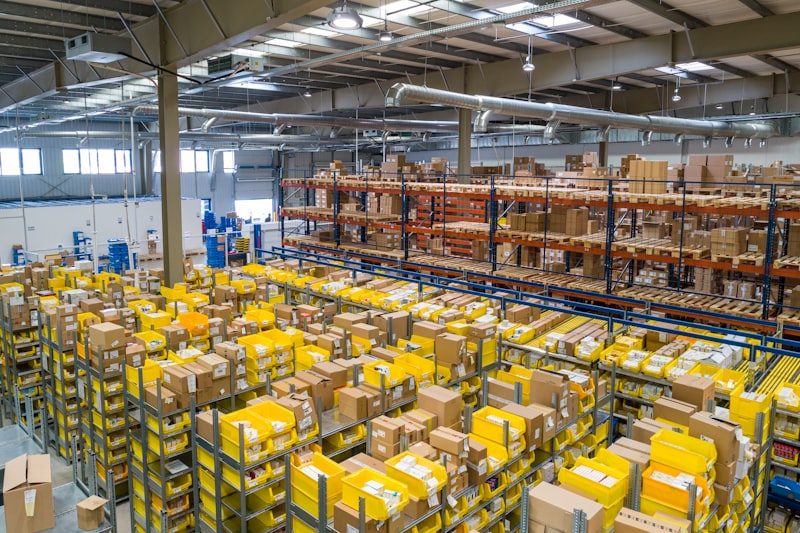
## The Growing Challenge of Return Logistics
With the explosive growth of e-commerce, the number of returns is also increasing. In the Netherlands, an average of 30% of online purchases is returned. AI offers solutions to streamline this costly process.
### Smart Return Prediction
AI models analyze order patterns, product categories, and customer profiles to predict which orders are likely to be returned. This enables companies to:
- Adjust inventory planning based on expected returns
- Proactively offer alternative sizes or colors
- Detect fraudulent returns
- Calculate return costs more accurately
### Automated Return Processing
Computer vision and robotics make it possible to automatically inspect and classify returned products. AI assesses the condition of the product and determines whether it should be resold, repaired, or recycled.
### Sustainable Return Logistics
AI also helps to make return processes more sustainable. By intelligently consolidating return shipments and optimizing route planning, the number of transport movements is minimized. Machine learning identifies products with high return rates, allowing for improvements in product descriptions and images.
### Implementation in Practice
Start by digitizing your return process and collecting data. An AI solution for return logistics can be implemented in phases, starting with predictive analytics and later expanding to automated processing. The ROI is typically measurable within the first quarter after implementation.
Veelgestelde Vragen
Can AI predict returns?
Yes, AI models analyze order patterns and customer profiles to predict with high accuracy which orders are likely to be returned.
How does automated return inspection work?
Computer vision technology scans returned products and automatically assesses their condition, classifying them for resale, repair, or recycling.